Measles cases in north London: What parents should know
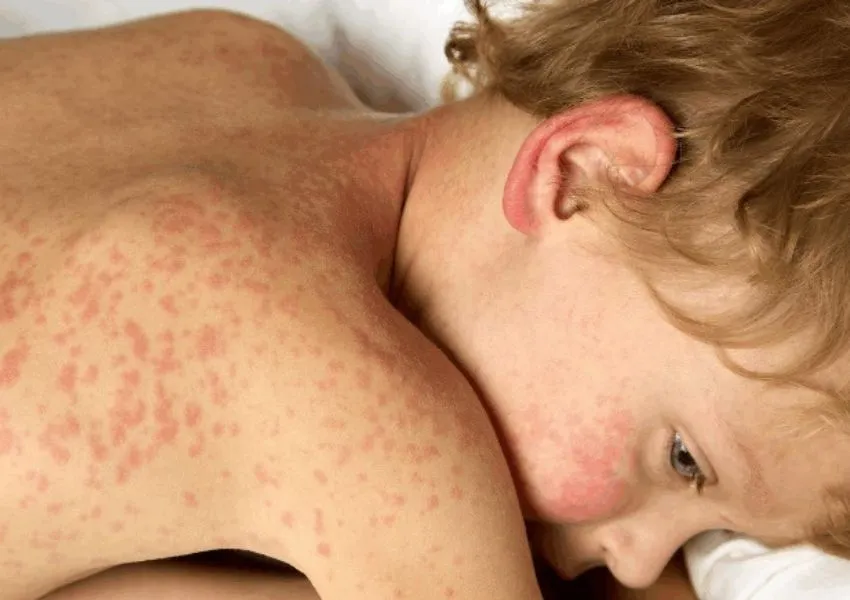
Measles cases are rising across London, particularly in our neighbouring borough of Enfield. London accounts for more than two-thirds of cases in England, with Enfield having the highest number in the capital.
Why is measles dangerous?
- Measles spreads very easily when someone coughs or sneezes; if 10 unvaccinated people are near someone with measles, nine will catch it.
- Measles can make people seriously ill; especially babies, pregnant women, and those with weak immune systems.
- In some cases, measles can lead to serious problems such as hearing loss, swelling of the brain, eye problems and blindness, chest infections (pneumonia) and tragically, in rare cases, cause death.
- Most people currently becoming ill are unvaccinated children under 10, which is why having two doses of the MMR vaccine is the best way to protect your child and others around them.
How you can protect yourself and your child
1. Check your child’s MMR vaccination status
Children need two doses of the MMR (measles, mumps, rubella) vaccine for full protection.
The MMR vaccine is offered free by the NHS and is the most effective way to prevent measles.
If your child has missed a dose, contact your GP to catch up as soon as possible - there is no upper-age limit for receiving the MMR vaccine.
2. Make use of community clinics
Vaccination UK (school-aged vaccination provider) is offering free MMR catch-up vaccinations in schools and community clinics. Go to https://www.schoolvaccination.uk/catch-up-clinics to find a clinic near you. Alternatively, call 0208 150 7505 or email barnet@vaccinationuk.co.uk
3. Protect vulnerable groups
Babies under 12 months old are too young to have the MMR vaccine, so they rely on others being vaccinated (herd immunity) to stay safe. Getting vaccinated helps to protect babies, pregnant women, and people with weakened immune systems.
4. Know the symptoms and act quickly
Measles usually starts with:
- fever
- cold-like symptoms such as runny nose, a cough and sneezing
- red, sore, watery eyes
- white spots inside the mouth
- After two to four days, a red rash appears. The rash starts on the head and spreads down the body. The rash is not itchy. The rash looks brown or red on white skin. It may be more difficult to see on brown and black skin.
If you suspect measles, stay at home and call your GP or NHS111 before going to a clinic. Do not go to a GP surgery or A&E waiting room, as measles spreads extremely easily.
More advice about measles: www.nhs.uk/conditions/measles
For further information: