Flu Season is upon us: Common Questions and facts on what you need to know
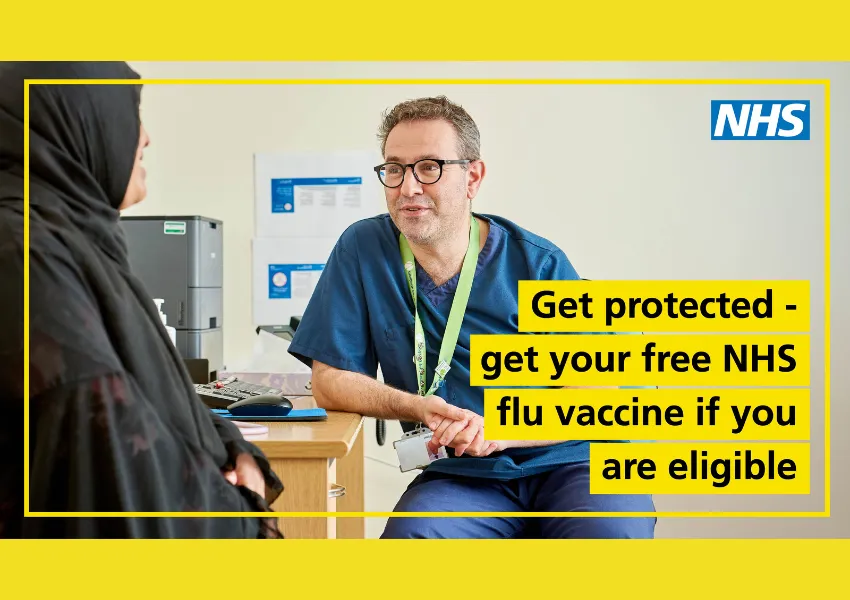
What is flu and how is it different from a cold?
Flu is more serious than a common cold. While colds develop gradually and rarely cause fever or body aches, flu symptoms appear suddenly and often include high fever, headaches, body aches, and extreme tiredness. For some people flu can lead to serious illness and hospitalisation.
Here are some common questions and facts about flu and the flu vaccine.
Who is eligible for a free flu vaccine?
The people should consider having a flu vaccine include:
- Adults aged 65 years and over
- Pregnant women
- People with certain long-term conditions, from 6 months to under 65s
- Carers
- Frontline health and social care workers
- People experiencing homelessness, including rough sleepers those staying in homeless hostels or night shelters
- Children aged 2 and 3 years old
- Primary school and secondary school-aged children
Where can I get my flu vaccine?
- Your GP practice
- A participating community pharmacy
- Maternity services (for pregnant women)
- Contact your local school immunisation teams for those in Reception to Year 11
Can flu lead to serious illness?
Many people are hospitalised each year due to complications. Last winter, flu was associated with thousands of deaths and hospital admissions across England.
I'm healthy and rarely get ill. Why have I been offered a flu vaccine?
You may be offered a flu vaccine because you are at higher risk of serious illness, or because vaccination helps protect someone you live with or care for. This includes older adults, people with long-term health conditions, pregnant women, and frontline health and social care workers.
Can the flu vaccine give me flu?
No. It cannot give you flu. Some people may have mild side effects, such as a sore arm, headache, tiredness or a slight temperature after vaccination. These usually settle within a few days.
How does the flu vaccine work?
The vaccine works by training your immune system to recognise and fight the flu virus. It helps your body produce antibodies which help protect you if you come into contact with flu virus later in the season.
How long does it take the vaccine to work?
It takes up to 2 weeks for the vaccine to become effective. Get vaccinated as early as possible to stay protected throughout the winter season.
I had the vaccine last year. Why do I need another one?
Flu viruses change every year. The vaccine is updated annually to provide protection against strains most likely to circulate each winter. Protection from previous vaccinations reduces over time, so new vaccines are developed to match the circulating viruses.
Can I have the flu vaccine during pregnancy?
The flu vaccine is safe at any stage of pregnancy and is strongly recommended.
Getting vaccinated helps protect you from serious illness during pregnancy and also provides protection for your baby during their first few months of life after birth.
Can I have the flu and COVID-19 vaccines at the same time?
Yes. If you are eligible for both vaccinations, you can usually receive them during the same appointment. Getting both vaccines helps provide protection against two serious winter illnesses.
I'm a carer. Am I eligible for a free flu vaccine?
Yes, if you provide regular care to someone who could be at risk if you become unwell.
The flu vaccine helps protect both you and the person you care for.
I have a learning disability. Can I get extra support at my appointment?
Yes. GP practices and pharmacies can make reasonable adjustments to help people access vaccination services. Easy Read information and accessible resources are also available. If you need additional support, contact the provider before your appointment.
Where can I get my flu vaccine?
Protect yourself and Barnet’s most vulnerable residents this winter
You do not need to wait until you become unwell. As soon as you receive your invitation, book your flu vaccination appointment. It takes up to two weeks for protection to develop, so getting vaccinated early helps protect you throughout winter. Your vaccination protects others too. By getting vaccinated, you help shield elderly relatives, people with long-term conditions, and your wider community.
You may be offered a flu vaccine because you are at higher risk of serious illness, or because vaccination helps protect someone you live with or care for