Damp and mould - how do I keep safe?
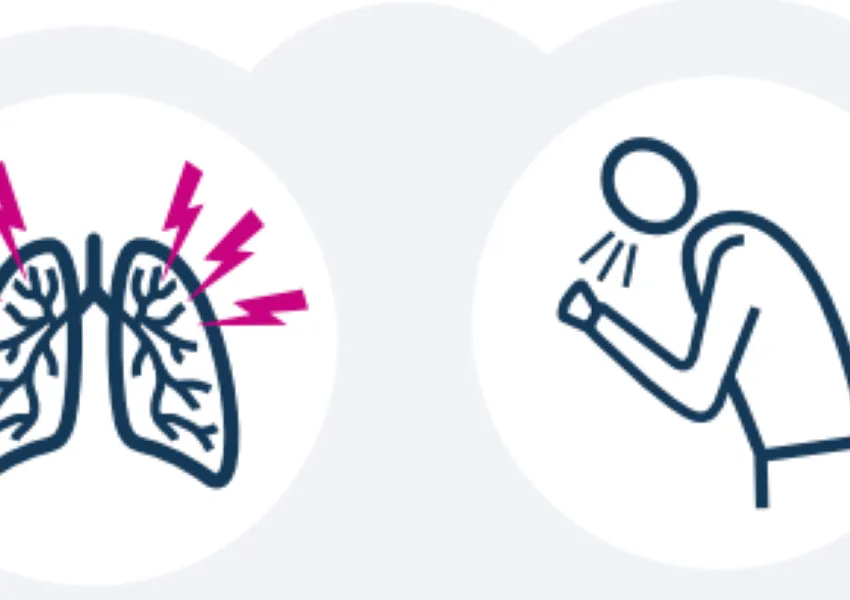
Living in a place where there is dampness can lead to the growth of mould and other health hazards. Damp and mould primarily affect the airways and lungs, but they can also affect the eyes and skin. The respiratory effects of damp and mould can cause serious illness.
The presence of damp and mould can also affect mental health. This could be due to worries about the health impacts of damp and mould, unpleasant living conditions, and destruction of property and belongings, among other concerns.
Everyone is vulnerable to the health impacts of damp and mould, but people with certain health conditions, children and older adults are at greater risk of more severe health impacts.
Tips to avoid damp and mould:
- In cold weather try and keep temperatures between 18-21°C in main living areas whilst indoors.
- Don’t block airbricks or air vents.
- To kill and remove mould wipe down wall and window frames with a fungicidal wash which carries a Health & Safety Executive approved number.
- Dry washing outside whenever possible.
- Don’t dry clothes on radiators. This will make your boiler work harder to heat your house and cost almost as much as using a tumble dryer, whilst creating a lot of condensation.
- If you have to dry clothing indoors and don’t have a tumble dryer, place clothes on a drying rack in a room where a window can be opened slightly and keep the door closed.
For more information on managing damp and mould, visit: https://www.nea.org.uk/get-help/resources/dealing-with-damp-and-condensation-national-energy-action-leaflet/